
For Owners & Investors
Proof your asset was run responsibly, and a defensible record when it counts.
Alevyn works as two connected products. Onsite teams photograph an incident in the field with Capture, and on submit it creates a sealed record. Leadership reviews each incident in Command Center, assigns an owner, follows up, and signs off, so you have proof of how the asset was operated when a claim or sale diligence happens.
When something goes wrong, the record is usually the weakest part.
Well-run assets that can't prove it
When a claim or a buyer asks how an issue was handled, the answer is often scattered, thin, or gone. The asset looks worse on paper than it was run.
Insurance exposure with a fragmented trail
When an insurer or a co-investor asks what was known and when, a fragmented trail costs you. A clean, sealed record protects NOI and renewals.
Diligence gaps that cost at sale
A buyer prices what they cannot verify as risk. Without a defensible record of incidents and how they were handled, you carry that discount.
Document the incident. Prove the asset was run right. Keep the record.
Capture and seal the incident (Capture)
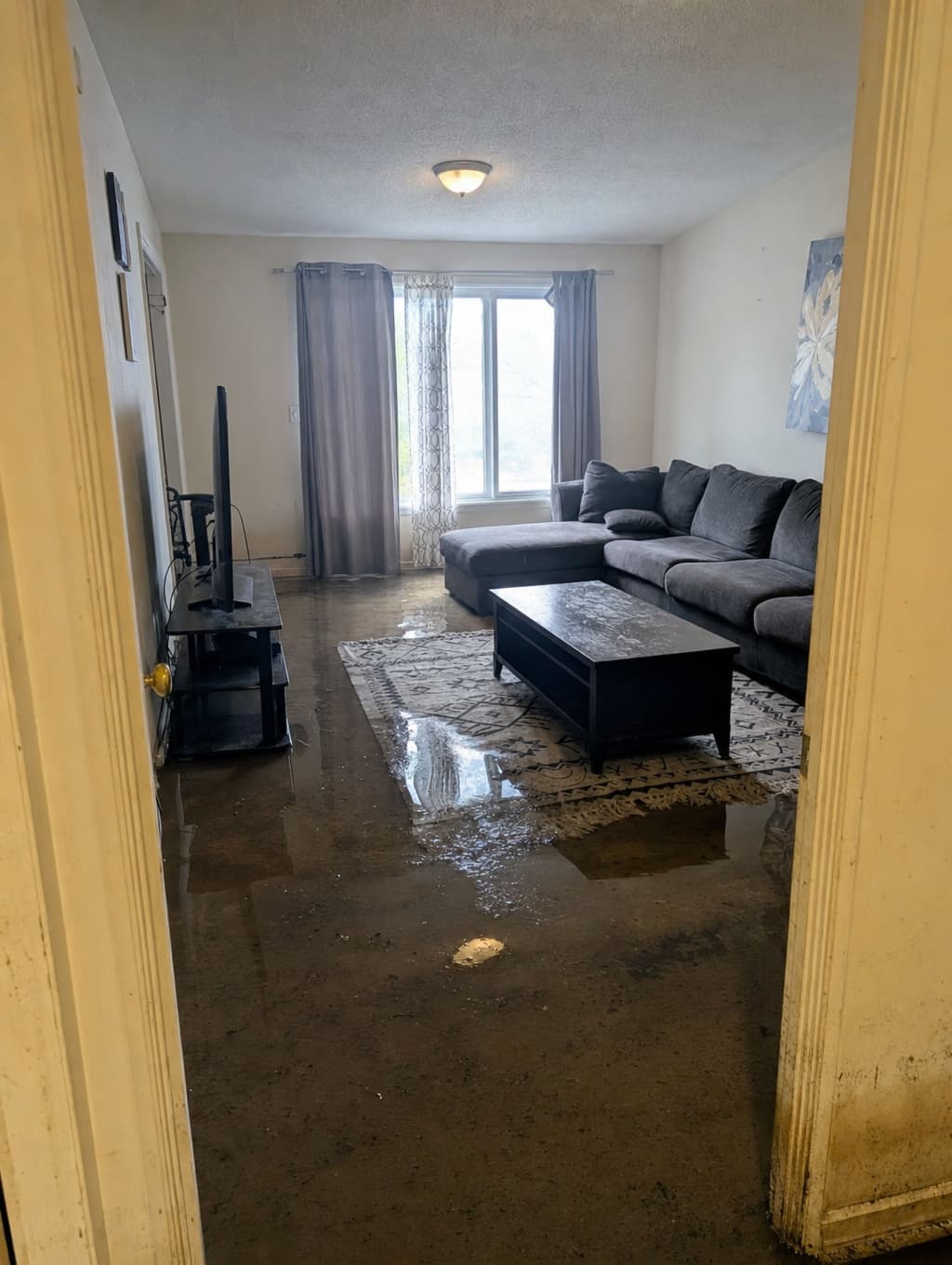
Every incident at a property is photographed in the field and, on submit, sealed as a tamper-evident record of what happened, with a server timestamp.
Leadership reviews and signs off (Command Center)
Leadership reviews each sealed incident in Command Center, assigns an owner, follows up, and signs off, the proof you want before a lender, insurer, or co-investor asks.
Proof before the loss
A timestamped record of what was known, when it was captured, and how leadership handled it, kept before an event forces the conversation.
Easy for the team. Clear for leadership and ownership.
Captured in the field
Onsite teams photograph each incident at a property with Alevyn Capture. On submit it creates a record and seals the evidence with a server timestamp.
Tap photo · Hold video
Reviewed and sealed in Command Center
Leadership reviews each sealed incident in Command Center, assigns an owner, follows up, and signs off, so there is proof the asset was run responsibly.
Portfolio
3 properties
Portfolio · 3 properties
What needs you
Export exposure report
timestamped · for the VP
Unseen
2
captured, no one looked
Waiting on you
3
in progress
Past due
1
over the window
Exposure over time
unseen · waiting
when the band climbs, the liability window is opening
Escalate with the record attached
When an incident needs ownership, it escalates with the sealed record attached, tied to a property, ready to export for a claim, a lender, or sale diligence.
Incident
Deferred repair — Northgate
Northgate Portfolio · 5 records
Severity
High
Exposure
Capital / Insurance
Escalated to leadership · record attached
A major repair handled without a record isn't just friction. It's exposure you can't prove you managed.
An inspection finding, repeated deferrals, an insurance question, and a stalled approval each get captured and sealed in the field. Leadership reviews them in Command Center, owns them, and signs off. When a lender, insurer, or buyer asks what was known and how it was handled, the defensible record is already there.
Inspection finding captured and sealed
Repair deferrals documented across review cycles
Carrier request for follow-up on the record
Temporary fix logged with leadership sign-off
Have the proof before a claim or a sale asks for it.
Try Capture and Command Center on one property for 7 days. Your team captures and seals incidents in the field, and leadership gets a provable record of what happened and what was done. If it fits, the next step is a paid pilot.