
For Asset Managers
A defensible record of what happened, and proof leadership acted on it.
Alevyn works as two connected products. Onsite teams photograph an incident in the field with Capture, and on submit it creates a sealed record. Leadership reviews each incident in Command Center, assigns an owner, follows up, and signs off, so you keep proof of what was known and what was done across the properties you oversee.
When something goes wrong at a property, the record is usually the weakest part.
Incidents with a scattered record
Something happens in the field, gets handled, and the proof spreads across the systems that touched it. Months later, when an owner or a claim asks what happened, no single clean account exists.
Findings that disappear
Incidents get logged, closed, and forgotten. When sale diligence or a claim asks what was known, the trail is fragmented or gone.
No proof leadership acted
Even when the team did the right thing, there is rarely a record that shows leadership saw the incident, owned it, and followed it through.
Document the incident. Prove leadership acted. Keep the record.
Capture and seal the incident (Capture)
Every incident at a property is photographed in the field and, on submit, sealed as a tamper-evident record of what happened, with a server timestamp.
Leadership reviews and signs off (Command Center)
Leadership reviews each sealed incident, assigns an owner, follows up, escalates, and signs off, so you have proof of what was known and what was done.
Memory that survives turnover
The record of each incident and decision is preserved across property transitions, staff changes, and owner turnover. It is there when you need it.
Easy for the team. Clear for leadership and ownership.
Captured in the field
Onsite teams photograph each incident at a property with Alevyn Capture. On submit it creates a record and seals the evidence with a server timestamp.
Tap photo · Hold video
Reviewed and sealed in Command Center
Leadership reviews each sealed incident in Command Center, assigns an owner, follows up, and signs off, so there is proof the asset team acted.
Portfolio
3 properties
Portfolio · 3 properties
What needs you
Export exposure report
timestamped · for the VP
Unseen
2
captured, no one looked
Waiting on you
3
in progress
Past due
1
over the window
Exposure over time
unseen · waiting
when the band climbs, the liability window is opening
Escalate with the record attached
When an incident needs leadership, it escalates with the sealed record attached, tied to a property, ready to export for an owner, a claim, or sale diligence.
Incident
Water intrusion — Crescent Pointe
Crescent Pointe · 5 records
Severity
High
Exposure
Structural / Valuation
Escalated to leadership · record attached
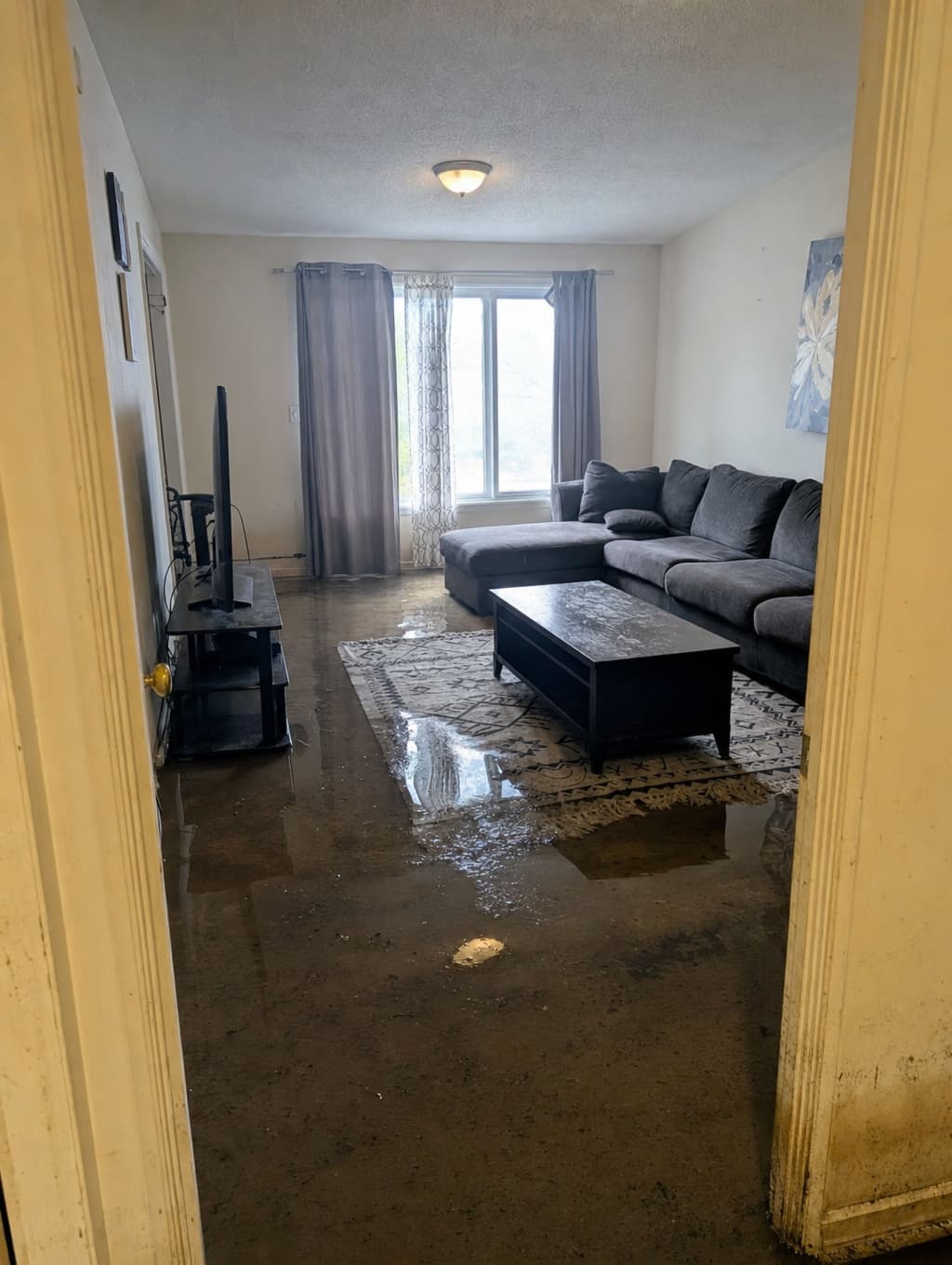
Water intrusion at one asset isn't routine maintenance. It's an incident that needs a record.
A roof leak, a follow-up note, a repeat resident report, and a cabinet-damage report each get captured and sealed in the field. Leadership reviews them in Command Center, assigns an owner, and signs off. When an owner, a claim, or sale diligence asks what was known and what was done, the defensible record is already there.
Repeat leak after prior repair
Water staining captured and sealed
Resident report about mold smell on the record
Damage spreading to adjacent unit finishes documented
Keep a defensible record across the properties you oversee.
Try Capture and Command Center on one property for 7 days. Your team captures and seals incidents in the field, and leadership gets a provable record of what happened and what was done. If it fits, the next step is a paid pilot.